HVAC Services: Your Comfort Is Our Priority
HVAC systems play an vital role in ensuring interior comfort. They control air quality and temperature, influencing overall health. However, many homeowners miss the signs of potential issues. Understanding these signs is important for proper management. Regular maintenance and timely repairs can avoid more significant problems down the line. But how does one identify the right providers? The solutions may surprise you and could enhance your indoor experience.
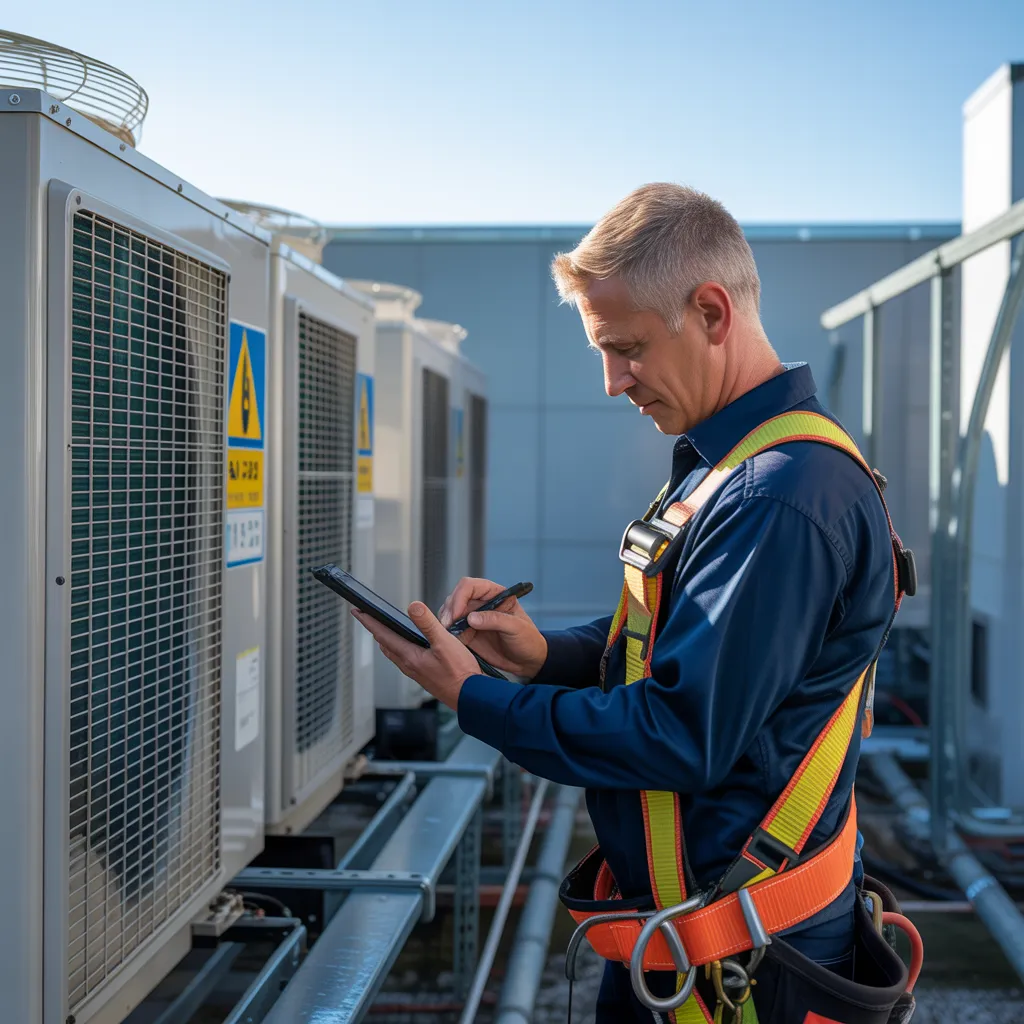
Why HVAC Systems Are Important for Your Comfort
HVAC systems play a vital role in maintaining indoor comfort year-round. These systems regulate temperature, humidity, and air quality, ensuring a pleasant environment independent of external weather conditions. In summer, air conditioning provides relief from heat, while heating systems counteract the chill of winter. Adequate air circulation is imperative, as it eliminates stale air and brings in fresh air, which contributes to overall well-being.
Furthermore, HVAC systems maximize energy efficiency by refining energy usage, contributing to reduced monthly bills. A well-maintained system performs quietly and reliably, limiting interruptions in regular routines. The filter systems also hold considerable importance in improving indoor air quality by trapping dust, allergens, and pollutants, advancing lung health. Therefore, a robust HVAC system is not merely a convenience; it is a critical component for enhancing comfort, health, and energy efficiency within domestic and commercial properties.
Tips for Notice HVAC Issues Early On?
How can one identify HVAC malfunctions before they worsen? Early detection is essential for preserving a pleasant environment. One of the first signs of issues is abnormal noises, such as banging or hissing, which may suggest mechanical failures. Additionally, variable temperatures throughout the home can signal air duct problems or an malfunctioning thermostat. Homeowners should also be vigilant for offensive odors, which could suggest mold growth or electrical problems within the system.
A supplementary sign is a spike in energy bills. If costs surge unexpectedly, it may be caused by the HVAC system straining than needed. Checking air filters on a routine basis is critical, as obstructed filters can affect operation. In conclusion, condensation or leaks near the system can point toward coolant complications or drainage concerns. Through observing these warning signs, one can handle HVAC problems right away, maintaining peak performance and comfort.
Vital HVAC Services for Your Home
When reviewing key HVAC services for homes, understanding the relevance of routine maintenance becomes necessary. Additionally, efficiency upgrades can greatly reduce utility costs while enhancing comfort. Emergency repair services are also critical, making sure that homeowners can quickly address unexpected issues.
The Vital Role of Scheduled Maintenance
Regular upkeep is necessary for securing the durability and performance of heating, ventilation, and air conditioning systems. When routine check-ups are neglected, minor issues can progress into expensive repairs or replacements. Scheduled maintenance enables technicians to examine and service components, guaranteeing peak functionality. This proactive approach not only extends equipment life but also improves indoor air quality by eliminating dust and allergens. Furthermore, regular maintenance helps identify potential problems before they interfere with system performance, providing peace of mind to homeowners. Following a maintenance schedule can also boost energy efficiency, leading to lower utility bills. Ultimately, investing in scheduled HVAC maintenance safeguards comfort and encourages a healthier living environment.
Energy Efficiency Updates
Energy efficiency modifications are critical an integral role in improving HVAC systems for homeowners. These improvements not only diminish energy consumption but also cut utility bills, making them a judicious investment. Common upgrades include the installation of programmable thermostats, high-efficiency filters, and advanced insulation. Homeowners may also consider replacing outdated units with Energy Star-rated equipment, which offers improved performance and reduced environmental impact. Additionally, sealing ductwork can curtail energy loss, ensuring that conditioned air reaches its intended spaces. By implementing these upgrades, homeowners can strengthen comfort levels while contributing to sustainability efforts. Ultimately, investing in energy efficiency not only benefits individual households but also promotes a healthier planet for future generations.
Emergency Restoration Solutions
When heating and cooling systems go wrong, prompt emergency repair services are crucial for homeowners. These sudden breakdowns can cause uncomfortable living conditions, especially during harsh weather. Skilled technicians are prepared to diagnose and solve issues quickly, bringing back comfort and safety to the home. The services usually include 24/7 availability, ensuring that assistance is always just a call away. Typical emergencies include malfunctioning air conditioners, heating failures, and refrigerant leaks, which can escalate into more serious problems if not addressed. Homeowners gain from rapid response and professional solutions, reducing downtime and possible damage. Investing in dependable emergency repair services not only tackles immediate problems but also helps prolong the life and efficiency of HVAC systems. Giving priority to these services ensures peace of mind throughout the year.
The Significance of Regular HVAC Care
Dedicating refer to this page resources to frequent HVAC maintenance boosts system efficiency and increases equipment durability. Frequent checks and adjustments detect potential issues before they escalate into expensive repairs. Throughout service visits, technicians sanitize components, check refrigerant levels, and confirm that all parts are operating at peak performance, which can produce reduced energy bills and better indoor air quality.
In addition, regular maintenance can help maintain warranty coverage, as many manufacturers require proof of reliable care. Homeowners benefit, knowing their HVAC systems are less likely to fail unexpectedly. This preventative approach not only protects comfort but also adds to a more wholesome living environment.
Ultimately, the importance of consistent system maintenance can be found in its capacity to limit disruptions, boost efficiency, and reduce expenses in the extended future. By focusing on upkeep, occupants can ensure their HVAC systems work optimally for many years forward.
How to Choose the Best HVAC Solutions?
What is the ideal method to determine the best HVAC services available? First, prospective buyers should obtain endorsements from acquaintances, relatives, or digital reviews to gauge satisfaction levels. A reputable company often demonstrates a history of favorable comments. Next, one must verify credentials; certified and insured technicians indicate professionalism and adherence to safety standards. Looking at the array of services offered is necessary; the best providers should deliver installation, maintenance, and repairs.
Moreover, acquiring several proposals allows for comparison of costs and service quality, ensuring transparency. It is also wise to ask about assurances and warranties, which reflect the company's belief in its work. Finally, responsiveness to inquiries can signal a business's commitment to client relations. By considering these points, persons can reach an educated choice, ensuring comfort and reliability in their HVAC system.
Enhancing Interior Air Quality With HVAC Systems
Opting for the right HVAC services not only elevates comfort but can also greatly influence indoor air quality. A properly maintained system guarantees proper ventilation and filtration, reducing pollutants such as dust, allergens, and mold spores. HVAC professionals often recommend high-efficiency particulate air (HEPA) filters, which trap microscopic particles more effectively than standard filters.
Routine care, including cleaning ducts and checking for leaks, is vital for peak operation. This preventative approach stops the accumulation of pollutants that can impact air quality. Furthermore, state-of-the-art HVAC systems such as air purifiers and dehumidifiers can substantially lower dangerous particles and moisture content, promoting a healthier indoor environment.
Popular Questions Posed
What Determines the Average Lifespan of an HVAC System?
The average lifespan of an HVAC system typically ranges from 15 to 25 years, based on factors such as maintenance, usage, and the system's quality. Regular maintenance can significantly extend its working lifespan.
Can I tell if my system is conserving energy and functioning well?
To determine if a system is energy-efficient, one should check its SEER rating, review energy bills over time, and explore professional evaluations. Additionally, regular maintenance can improve efficiency and performance significantly.
What Financing Options Are Offered for HVAC Services?
Many HVAC companies provide payment plans, such as installment plans and credit programs. These options allow customers to handle costs efficiently, making it easier to purchase necessary services while sustaining comfort and efficiency in their homes.
Can I set up an HVAC unit myself?
You can install an HVAC system yourself, but it is strongly discouraged. Certified installation ensures safety, meeting standards, and top performance. Those without experience may experience issues that might cause expensive blunders and insufficient performance.
What Are the Signals I Need a New HVAC Unit?
Indicators pointing to the need for a new HVAC system include regular failures, rising energy bills, inconsistent temperatures, unusual noises, and age exceeding 10-15 years. These factors point to inefficiency and likely malfunction, warranting replacement consideration.